// Industrial · liquid cold plates

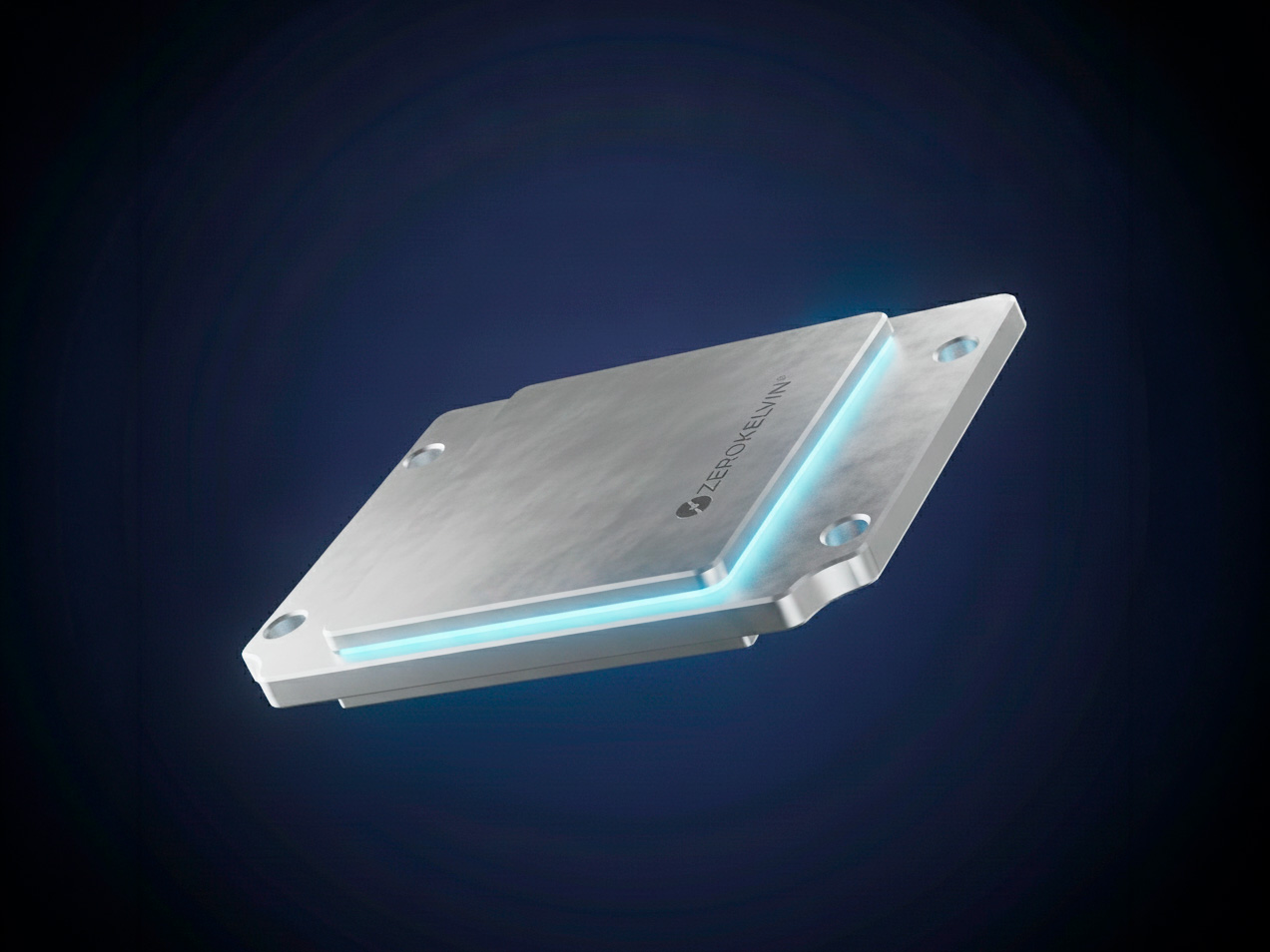
Advanced liquid cold plates for demanding industrial systems.

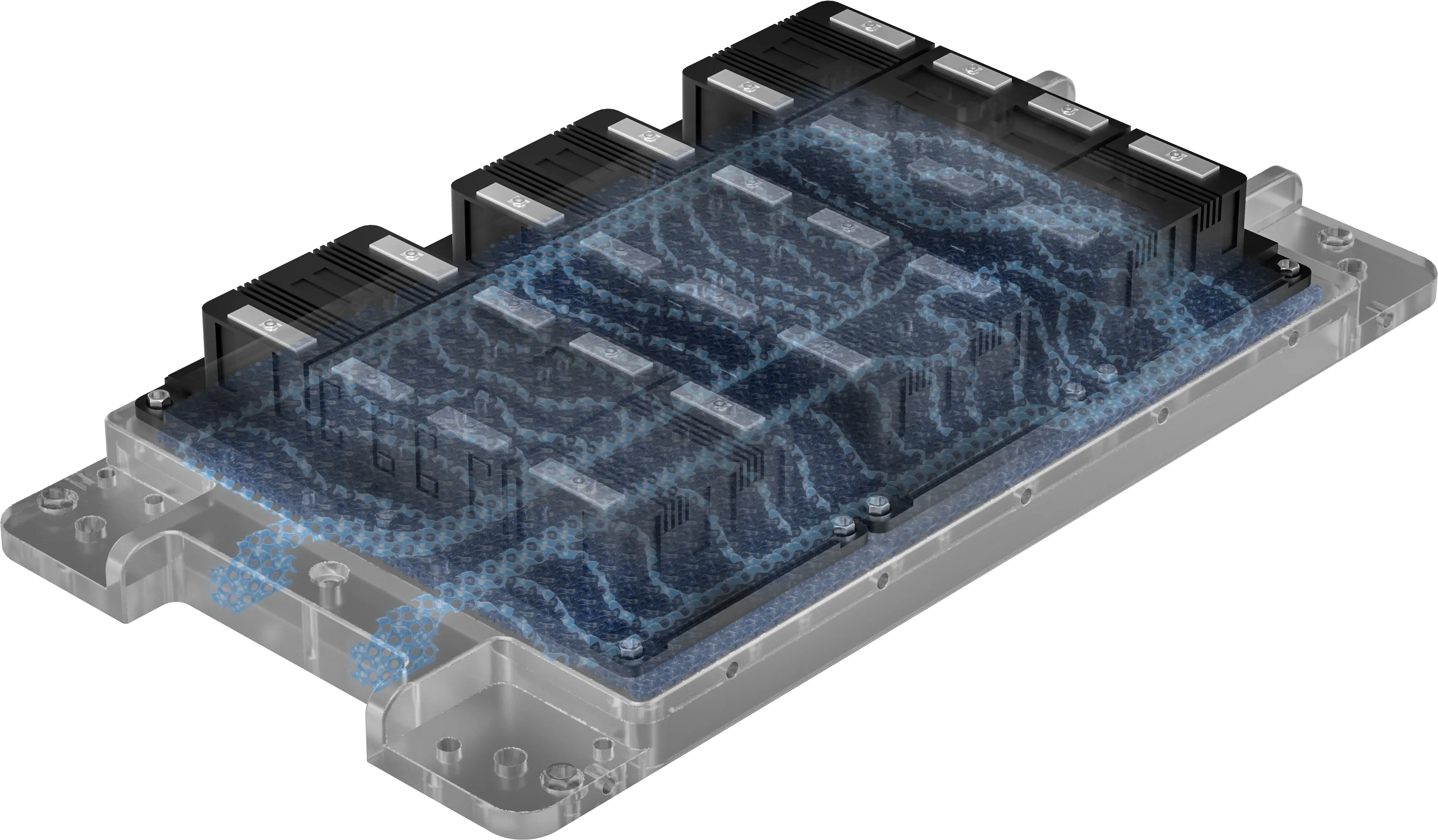
Engineered cold-plate solutions for high heat-flux and performance-critical applications, powered by computational process modeling and AI-driven generative design.
ZeroKelvin is a Siemens Technology Partner
IndustrialCold plate
Proprietary
in-house
manufacturing
ZeroKelvin is a Siemens Technology Partner
-40%
Peak temperature
-70%
Pressure drop
Computational modeling

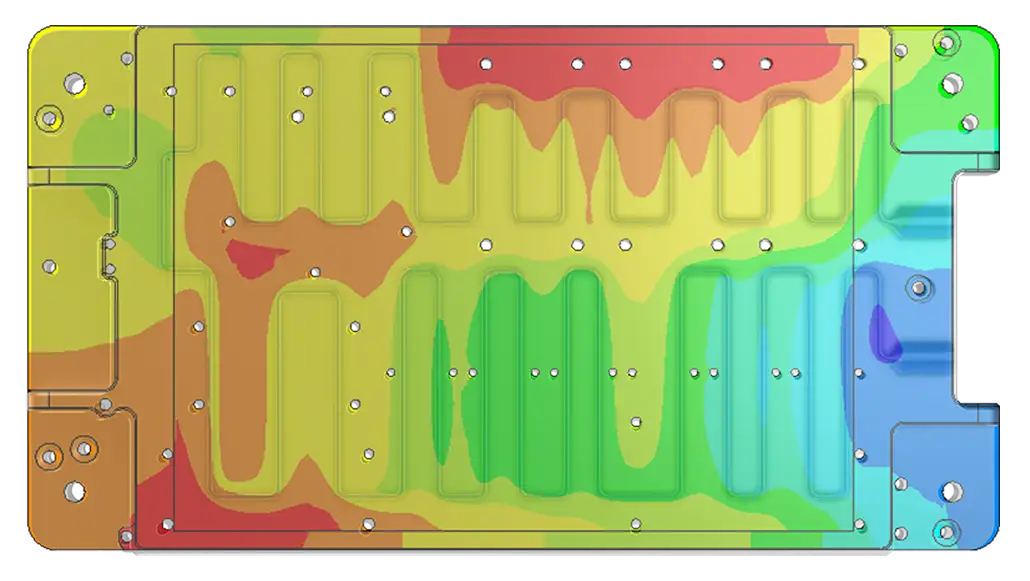
From heat map to optimized
flow architecture.

We use thermal and hydraulic simulation
to optimize internal flow arrangement.
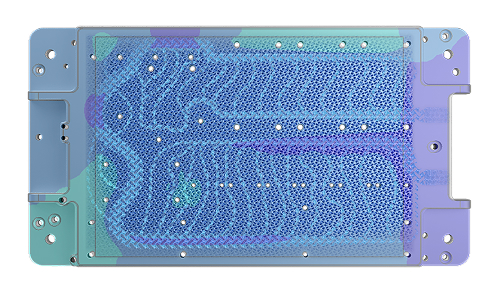
▪ Conventional design — uneven thermal field
120
20
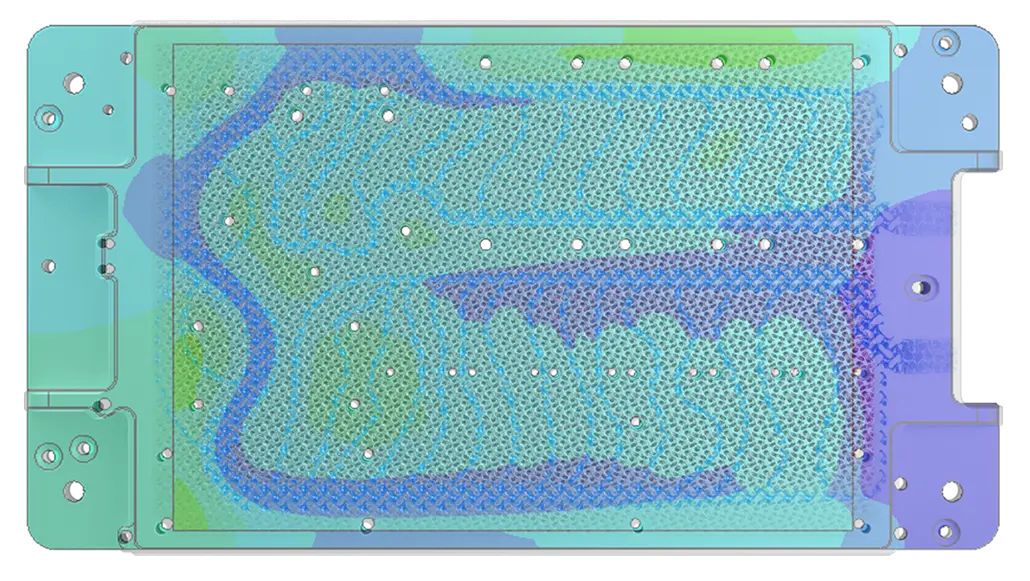
▪ ZeroKelvin design — optimized flow paths
Metric
Conventional design
ZeroKelvin design
Result
Average temperature [°C]
59.3
35.6
↓ 40% cooler
Max temperature [°C]
89.1
52.8
↓ 41% cooler
Flow at 3.5 bar [l/min]
2.5
20
↑ 8× more flow
TEMPERATURE [ºC]
Conventional design heatmap, uneven thermal field
CONVENTIONAL DESIGN — UNEVEN THERMAL FIELD
TEMPERATURE [ºC]
120.0108.997.886.775.664.453.342.231.120.0
ZeroKelvin design heatmap, optimized flow paths
ZEROKELVIN DESIGN — OPTIMIZED FLOW PATTERN
METRIC
CONVENTIONAL DESIGN
ZEROKELVIN
DESIGN
RESULT
Average temperature [°C]
59.3
35.6
↓ 40% cooler
Max temperature [°C]
89.1
52.8
↓ 41% cooler
Flow at 3.5 bar [l/min]
2.5
20
↑ 8× more flow
Average temperature [°C]
Conventional Design
Zerokelvin Design
59.3 °C
35.6 °C
RESULT ↓40% cooler
Max temperature [°C]
Conventional Design
Zerokelvin Design
89.1 °C
52.8 °C
RESULT ↓41% cooler
Flow at 3.5 bar [l/min]
Conventional Design
Zerokelvin Design
2.5 l/min
20 l/min
RESULT ↑8x more flow
MANUFACTURING

Selected manufacturing routes for advanced thermal management.

A proprietary process, manufacturing freedom, and a proven path to scale — the reason our designs become shipped products, not just promising prototypes.
Route 01

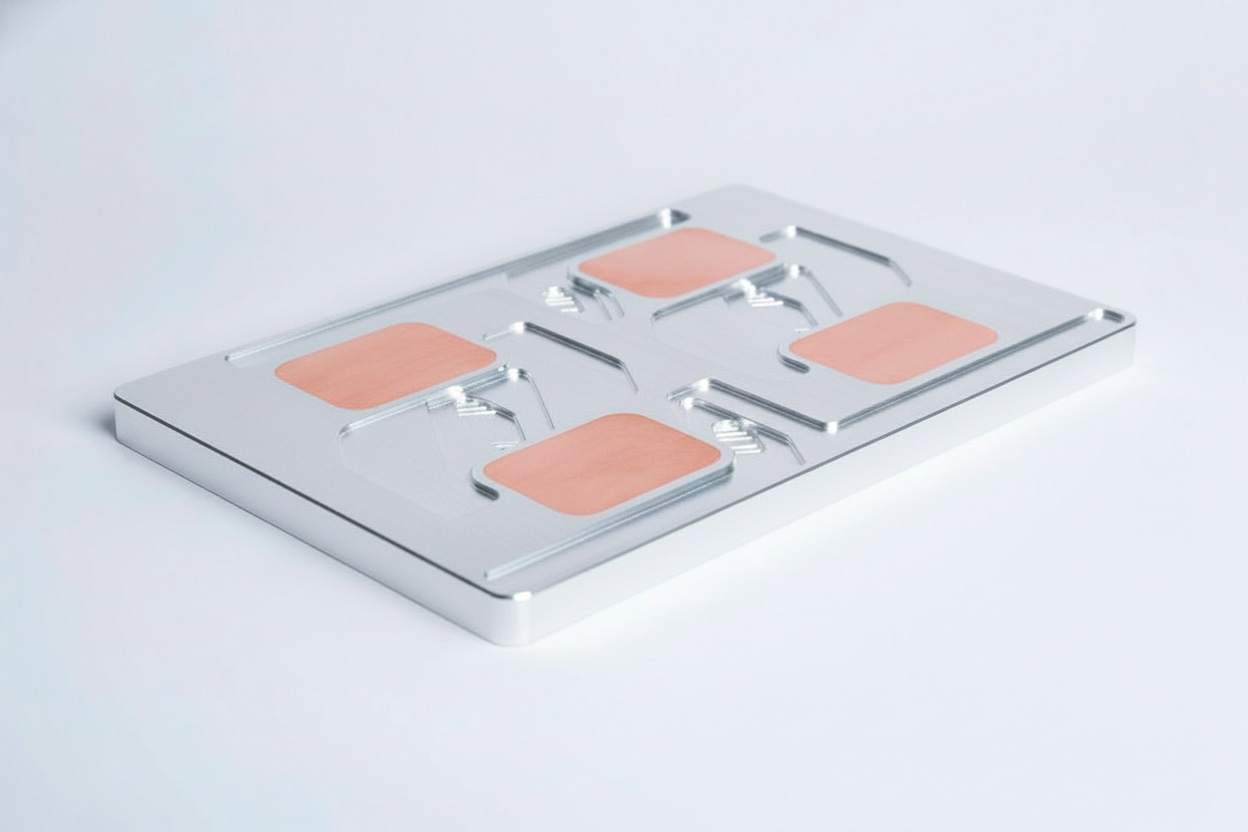
Diffusion bonding

Diffusion bonding joins multiple metallic layers into one monolithic, leak-tight cold plate with integrated internal channels. It is a robust manufacturing route for high-performance liquid cooling where reliability, pressure resistance, and repeatability are critical.
Route 02

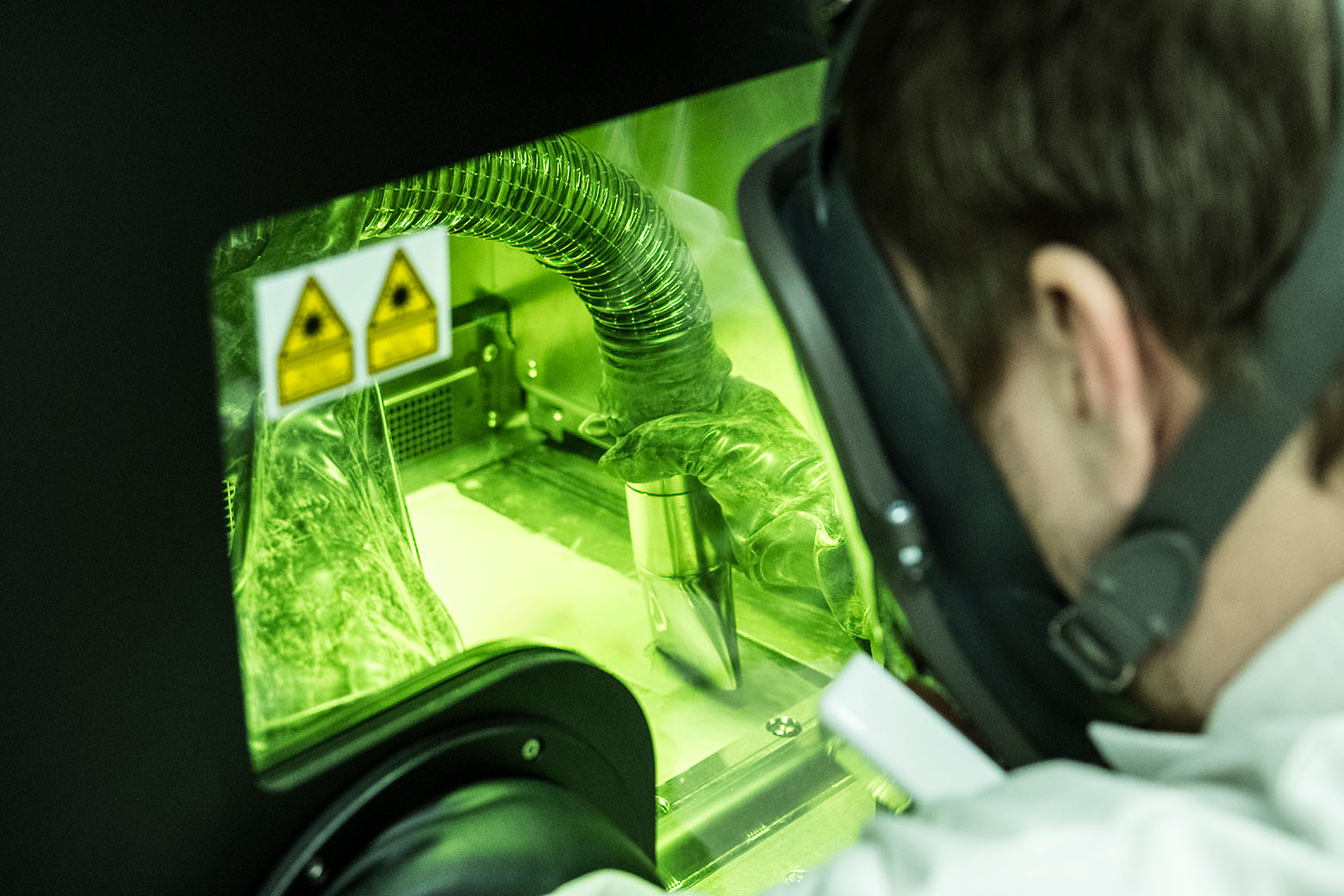
Additive manufacturing

Additively manufactured thermal-management products combine leak-tight, monolithic construction with intricate flow channels and lattice geometries to maximize surface area and deliver superior heat dissipation in compact designs.
Route 03

Advanced hybrid additive manufacturing

Hybrid additive manufacturing technologies combine wire-, powder-, and plate-based processes to create highly optimized, high-performance components, leveraging the unique advantages of each manufacturing route to achieve geometries, functionalities, and performance levels unattainable with a single process alone.

Route 01

Diffusion bonding

Diffusion bonding joins multiple metallic layers into one monolithic, leak-tight cold plate with integrated internal channels. It is a robust manufacturing route for high-performance liquid cooling where reliability, pressure resistance, and repeatability are critical.

Route 02

Additive manufacturing

Additively manufactured thermal-management products combine leak-tight, monolithic construction with intricate flow channels and lattice geometries to maximize surface area and deliver superior heat dissipation in compact designs.
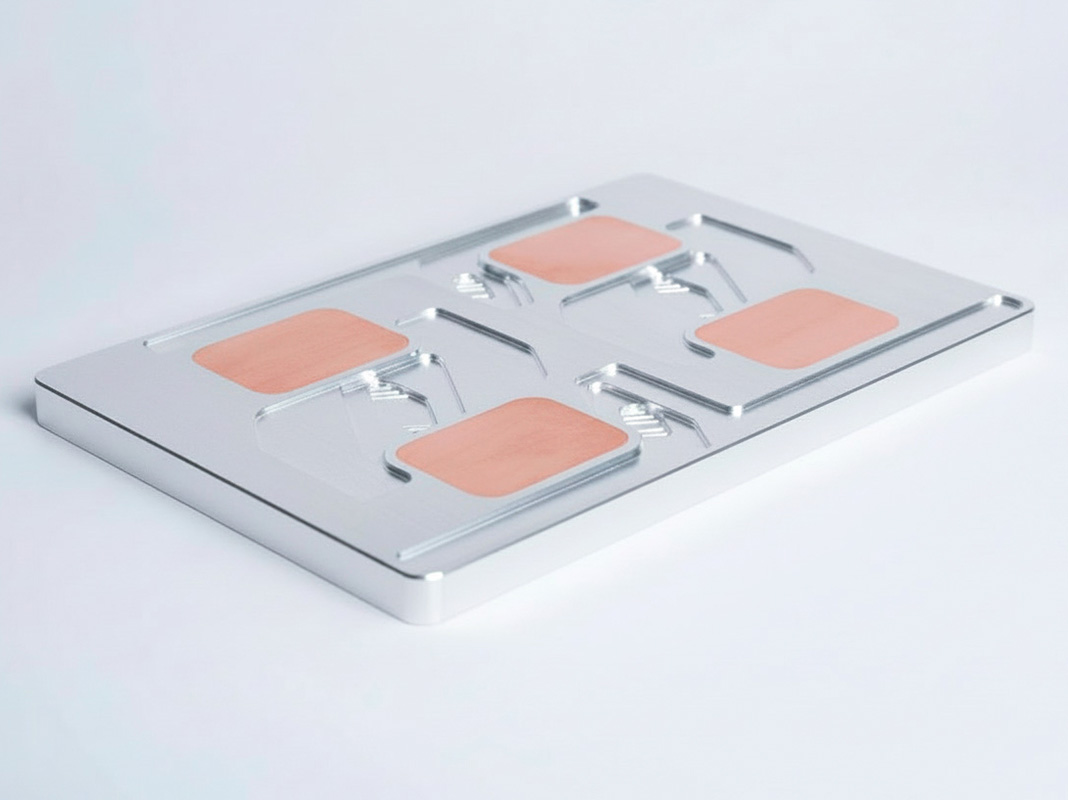
Route 03

Advanced hybrid additive manufacturing

Hybrid additive manufacturing technologies combine wire-, powder-, and plate-based processes to create highly optimized, high-performance components, leveraging the unique advantages of each manufacturing route to achieve geometries, functionalities, and performance levels unattainable with a single process alone.


MATERIALS

Performance-based
material selection.

Alloy selection is tailored to the specific demands of each application, optimizing properties such as thermal conductivity, weight, corrosion resistance, mechanical performance, and manufacturability.
Copper alloys
Aluminium alloys
STEEL (HYBRID VERSION)
Expertise

When conventional cooling
is no longer enough.

We engineer, optimize, and manufacture
most demanding industrial cold plates.

We are most relevant when customers face
01
Conventional cold plates that cannot meet performance targets
02
High heat flux and localized hot spots
03
Non-uniform temperature distribution
04
Pressure-drop and pump-power constraints
05
Compact geometries and reliability under thermal cycling
OUR ADVANTAGES
01
Thermal and hydraulic performance
Optimized for temperature uniformity and hydraulic efficiency at best thermal performance – application specific design
02
Design flexibility and
manufacturing-integrated engineering
By integrating custom design, material selection, production strategy, and manufacturability considerations from the start, we reduce development iterations and ensure a smoother transition from prototype to serial production.
03
EU made
Engineering and manufacturing managed in the European industrial base.
OUR ADVANTAGES
01
Thermal and hydraulic performance
Optimized for temperature uniformity and hydraulic efficiency at best thermal performance – application specific design
02
Design flexibility and
manufacturing-integrated engineering
By integrating custom design, material selection, production strategy, and manufacturability considerations from the start, we reduce development iterations and ensure a smoother transition from prototype to serial production.
03
EU made
Engineering and manufacturing managed in the European industrial base.
Industrial systems are becoming more powerful, more compact,
and more thermally constrained.

Our cold plates
create value in

Automotive
EV traction inverters and onboard chargers — high power density in compact assemblies.
Power electronics
SiC / GaN / IGBT power modules — hot spots and junction-temperature limits.
Energy
Battery PCS, PV and wind converters — long operating hours and high duty cycles.
Defense
Ruggedized electronics — reliability under repeated thermal cycling and shock.
Aviation
Weight- and space-constrained avionics — cooling within tight installation envelopes.
Space
Vacuum thermal management — no convection, narrow margins, zero tolerance for failure.
Automotive
EV traction inverters and onboard chargers — high power density in compact assemblies.
Power electronics
SiC / GaN / IGBT power modules — hot spots and junction-temperature limits.
Energy
Battery PCS, PV and wind converters — long operating hours and high duty cycles.
Defense
Ruggedized electronics — reliability under repeated thermal cycling and shock.
Aviation
Weight- and space-constrained avionics — cooling within tight installation envelopes.
Space
Vacuum thermal management — no convection, narrow margins, zero tolerance for failure.
ZeroKelvin® 2026